
What’s being built
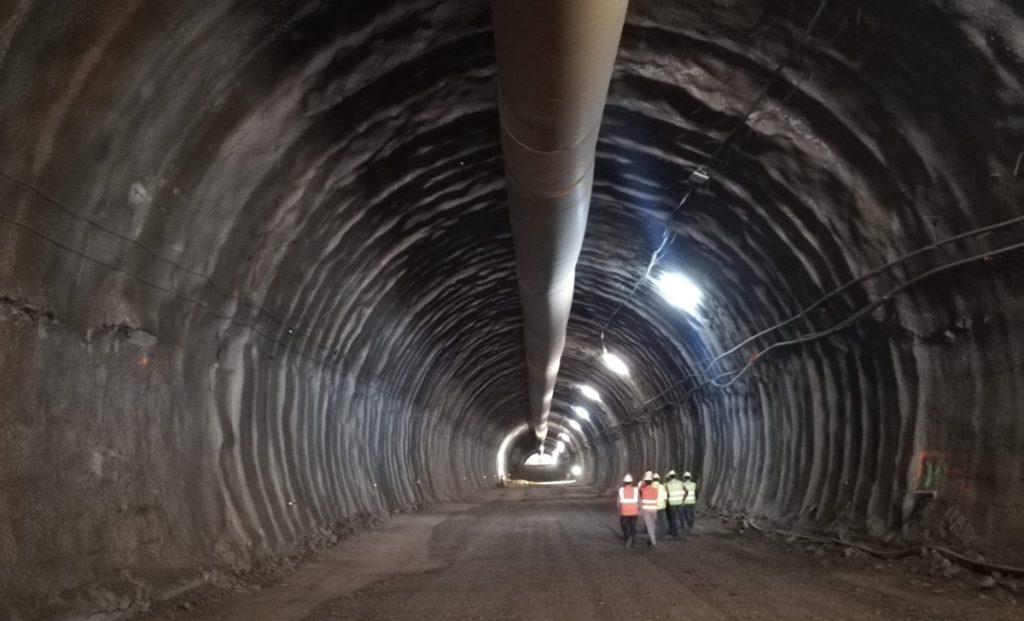
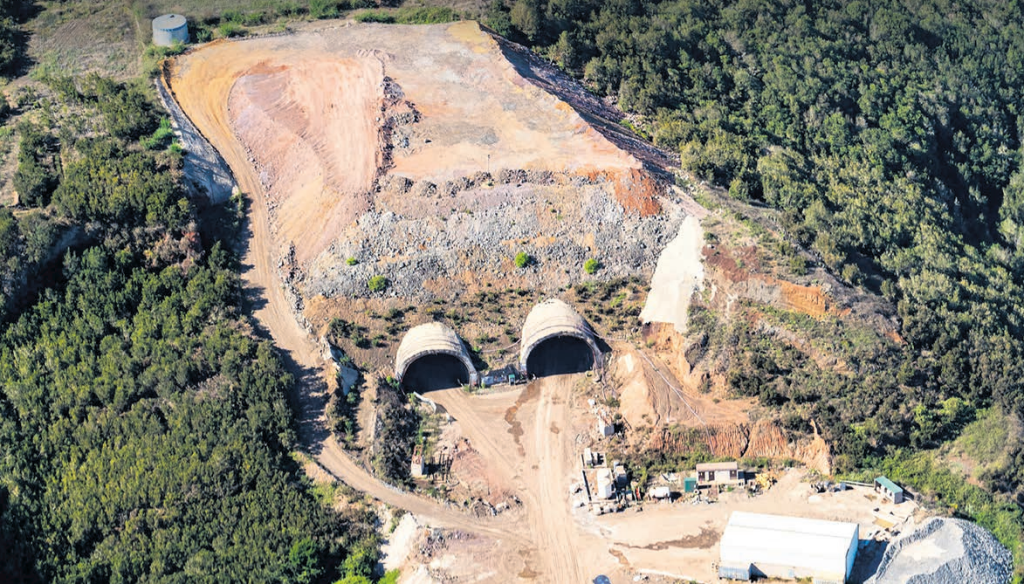
Erjos Tunnel and the western ring closure — The Erjos project builds an 11.3 km road segment that includes a double-tube tunnel of about 5.1 km (the longest in the Canaries). That tunnel will connect Santiago del Teide (southwest) with El Tanque (northwest), completing the ring and giving a continuous high-capacity corridor around the island. Excavation and major tunnelling phases have been completed and finishing works are underway; the wider project is scheduled to be delivered in the next few years.
Third lane on the TF-1 (south) — The regional government has approved multi-stage upgrades to widen heavily used TF-1 sections in the south (for example Oroteanda/Las Chafiras → Las Américas), with budgets in the order of hundreds of millions and multi-year construction horizons. The objective: increase capacity, reduce rush-hour bottlenecks and improve access to tourism hubs and hospitals.

Why this matters (transport + economy)
Better accessibility for southern resorts and hospitals. Adding a third lane in tourist and residential belts reduces delays for guests and staff, improving the attractiveness of short-term rental and hotel investments. Some TF-1 upgrades explicitly include improved access for the Hospital del Sur and local urban nodes.
Shorter, more reliable journeys. The Erjos tunnel will cut travel times between north and south dramatically by avoiding the long, winding coastal or mountain routes. That reduces the “friction” that today prices in extra travel time for employees, logistics and visitors.
Decongestion of the TF-5/Tenerife metro area. By providing an effective western alternative, the ring reduces pressure on the TF-5 corridor into Santa Cruz/La Laguna — potentially relieving top choke points that affect daily commuters and freight.
Real-estate implications (what investors and developers should watch)
- Land and housing demand spreads. Faster north–south and circular mobility makes previously peripheral towns more attractive for commuters and second-home buyers. Expect demand pressure (and therefore price appreciation) to increase in locations that become 20–40 minutes closer to major employment/tourist hubs.
- Tourism product upside in the south. Reduced travel friction supports longer visitor stays and easier day-trips, which benefits hotels, aparthotels and short-term rental managers in Adeje/Arona/Playa de las Américas. Third-lane works specifically target those corridors.
- Logistics and industrial land interest. Smoother island circulation raises the value proposition for distribution and light-industrial sites that serve both north and south — especially sites close to new interchanges around the ring closure.
- Construction nuisance vs long-term upside. Near-term impacts: noise, detours and temporary traffic during works. Long-term: improved connectivity and higher property liquidity. Investors should model both (development timeline, sensitivity to construction delays, and compensation/expropriation risk where land is affected).
Timeline & risks
- Multiple sources put the Erjos finishing and commissioning in the mid-range of the decade (authorities have mentioned finalisation targets in the next few years), but large tunnelling projects commonly face delays and cost revisions. Budget figures referenced for the Anillo/Erjos programme are in the low-hundreds of millions (varying by reporting).
- TF-1 third-lane packages are being rolled out as separate contracts (different sections, environmental approvals and technical studies) — some already approved, others still in planning. That means staggered openings rather than a single “big bang.”
Investment checklist for InvistaForum readers
- Map your assets against the new interchanges and tunnel portals (Santiago del Teide / El Tanque and the southern TF-1 widening nodes).
- Stress-test cash flows for 18–36 months of construction disruption if your property is on or near the works.
- Monitor public procurement notices and local planning documents for exact station/interchange designs — those contain the most actionable location data.
- Consider repositioning land holdings toward short-stay tourism products and logistics yards that benefit most from faster island circulation.
Tenerife’s transport upgrades are a structural change, not just a temporary relief for congestion. For property owners and developers, the combination of TF-1 capacity increases in the south and the western ring closure (Erjos Tunnel) creates a multi-year window of opportunity — but one that requires careful phasing, risk management and local knowledge.
Share
Related Articles